







Contact lenses give you a natural look and an unobstructed view, and they let you wear your own sunglasses. Here are some of the reasons people choose them, and what to know before you start.
Why people choose contact lenses
- A natural look. There is no frame in the way, and people see your eyes.
- No fogging, no rain on the lenses. Contact lenses do not steam up in winter, behind a face mask or in the rain.
- Your choice of sunglasses. Wear any sunglasses you like, without needing a prescription in them.
- Freedom for sport. Nothing slips down your nose when you run or bend forward, and contact lenses sit comfortably under ski goggles and protective goggles.
- No frame in your view. Contact lenses move with your eyes, so the lens is always in front of your eye, and there are no frame edges at the sides.
- A choice of lenses. There are contact lenses for short-sightedness and long-sightedness, for astigmatism (toric lenses) and for reading and close work (multifocal contact lenses).
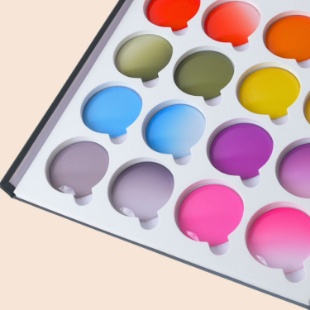
- A change of look. Coloured contact lenses can change your eye colour.
Dailies or monthlies?
Daily lenses are a fresh pair every day: nothing to clean or store, and no solutions. A box can be worn as and when you need it, which suits people who wear glasses during the week and contacts for sport, weekends and going out. Monthly lenses suit people who wear contacts every day and are happy with a cleaning routine. Our own are Easivue Daily and Easivue Monthly, and our practices also fit lenses from the major brands.
Contact lenses and glasses together
Everyone who wears contact lenses should have a pair of glasses too, for when the eyes need a rest from the lenses. Many people wear glasses during the week and contacts for sport and going out.
Getting started
A contact lens is a medical device, so contact lenses always start with an eye test and a fitting. At the fitting your optometrist checks how the lens sits on your eye, you try the lenses before you buy a box, and new wearers are taught how to put the lenses in, take them out and look after them. After that, you need a check of the cornea every six months and a full eye test every year.
Book an eye test and ask about contact lenses, or read about the types of contact lenses.