




















Questions and answers
FAQ
The questions we are asked most, about our glasses, eye tests, medical aid and looking after your lenses.

About Torga
Who we are and how to shop
Who makes Torga's glasses?
Torga does. Our frames are Torga's own designs, and our lenses are made in our own lens lab in Cape Town, for your prescription and your frame. It's Torga made.
Do you sell brand-name frames?
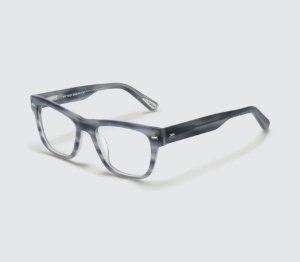
Our frames are Torga's own designs, in the latest European styles, with up to 100 new styles a year and 800+ frames in every store. The label is inside the frame, so the frame is about you, not a logo.
Where are your practices?
In South Africa, Namibia, Lesotho and Eswatini. The website's Find a Store page has every one, with directions and booking.
Can I buy glasses online?
Yes, at torgaoptical.co.za and torga.com.na. Choose your frames and lenses online, and a Torga practice dispenses your order. How to shop for glasses online.
Can I try frames on before I come in?
Yes. Our virtual try-on on the website puts frames on your own face, and you can share the look with a friend.
Can I track my order?
Yes. Sign in to Your Torga Account on the website and choose Track my order.
Eye tests
Eye tests, medical aid and children
How often should I have my eyes tested?
For most adults, every year. Contact lens wearers need a check of the cornea every six months and a full eye test every year. Children need one every year, after their first at about six months, at three years and before Grade 1, and every six months if they're in myopia management. If you have an eye or general health condition, your optometrist will tell you how often.
What happens in a Torga eye test?
Your optometrist starts by asking about your day: your work, your screens, your driving and your hobbies. Then they check how well you see and the health of your eyes, refine your prescription, and let you see and feel the result in a trial frame. Finally, they explain what they found and what it means for your day. Your Torga eye test, step by step.
What does an eye test cost, and will my medical aid pay?
Your practice tells you the fee, and how your medical aid treats it, before the test starts. Torga practices accept most major medical aids.
Do I need an appointment?
Booking online lets you choose your practice and a time that suits you, and you can book for family members too. Walk-ins are welcome whenever the optometrist is free. Book an eye test.
Is a free screening the same as an eye test?
No. A screening is a quick check of whether you need a full eye test. It doesn't check the health of your eyes the way an eye test does, and it doesn't give you a prescription. If a screening suggests you need one, book an eye test.
Can I get my driver's licence eye certificate at Torga?
Yes, at every Torga practice in South Africa. The practice does the vision screening for a driver's licence and issues the certificate. If the screening shows you need glasses to drive, your optometrist will explain your options.
Do you accept medical aid?
Yes. Torga practices accept most major medical aids, and your practice will confirm yours. It checks your benefits and can claim from your medical aid for you. You see what your medical aid covers, and what you pay, before you agree to anything.
How can I pay?
By cash, card, EFT or medical aid, with PayJustNow at the practices that offer it, or with a Torga gift card.
When should my child have their first eye test?
At about six months, again at three years, and before they start Grade 1. After that, every year.
My child is short-sighted. Can anything slow it down?
Yes, myopia management can help. Torga's Easivue Myopia Management lens corrects your child's vision and helps slow their myopia. Your optometrist explains every option, including treatments Torga doesn't provide, what each involves and what it costs, and you decide. Children in myopia management have a check-up every six months.
Glasses and lenses
Your glasses and your lenses
Why would I need more than one pair?
Because one lens can't do everything. A lens made for reading or the computer isn't made for driving, and sunglasses do a job clear lenses can't. Your optometrist recommends a pair for each part of your day that needs one, and you decide what you take. Our two-pair deals make the second pair affordable.
I'm getting multifocals for the first time. Will they take getting used to?
A little. Your brain learns where each zone of the lens is, and you learn to turn your head, rather than your eyes, to look to the side. The right design for your day, accurate measurements and a frame deep enough for the lens all help. If you can't get used to them, our 30-day satisfaction guarantee covers a re-check of your prescription and new lenses.
I just want my prescription so I can buy glasses elsewhere. Can I have it?
Yes, your prescription is yours. What it doesn't hold is everything else your optometrist learnt about your day: how far away your screen is, how much you drive, what you do for fun. Torga's recommendation is built on all of it, and our lab makes your lenses to it.
Can you put new lenses in my own frame?
Yes, in most cases. The practice checks your frame first, because an older frame can be weakened and new lenses put pressure on it. A dispensing fee applies. Your new lenses carry our guarantees; the frame doesn't, because we didn't supply it. Bring your own frame.
How long will my glasses take?
Not long. We make your lenses in our own lab in Cape Town, so there's no wait for an outside supplier. Your practice gives you the date they'll be ready when you order. If you need them urgently, tell the practice: it deals directly with our lab.
Are your lenses scratch-proof?
No lens is scratch-proof. Every Torga lens gets a scratch-resistant coat on both sides at no extra cost, and cleaning your glasses the right way (below) keeps them looking new for longer. The hard coat.
Do I need blue light glasses?
If you spend long hours at screens, a blue light filter can make your eyes more comfortable. Torga offers UV420 Blue Blocker, built into the lens, and Blue Blocker ARC, a coating. Ask your optometrist whether one suits your day.
What's the difference between anti-reflection and polarised lenses?
Anti-reflection reduces the reflections on the lens itself: at night on the road, under office lights and at the screen. Polarised lenses block the glare that bounces off roads, water and cars on a sunny day. Many people have both: anti-reflection on their everyday pair, and polarised sunglasses. Anti-reflection coating and polarised lenses.
Do lenses that darken in the sun work in the car?
Ordinary ones don't darken in the car, because the windscreen blocks the UV light that darkens them. For driving, choose polarised sunglasses, or Drivewear, which does darken behind a windscreen. Photochromic lenses.
Looking after your glasses
Guarantees, repairs and care
What if I'm not happy with my new glasses?
Our 30-day satisfaction guarantee covers it:
If, within 30 days of collecting your eyewear, you are not seeing comfortably through your new lenses, or your spectacles do not fit or feel right, return to the branch where you purchased them. We will assess your eyewear and, at no charge to you:
- re-check your prescription and remake your lenses if there is any error or if you are unable to adapt to them;
- adjust, refit or repair your spectacles; or
- where the problem cannot be resolved in any other way, replace them.
This guarantee covers how your eyewear performs: your vision, your comfort and the fit. It does not cover a change of mind about the appearance or style of the frame you selected.
What if my glasses break?
Bring them in. Minor repairs are free for the life of your glasses, at any Torga branch. Frames and lenses carry a one-year manufacturer's warranty against manufacturing defects, and the frames of our Boutique Range two years; fair wear and tear, accidental damage and misuse are excepted. If your glasses are damaged and not covered, you get 40% off a replacement pair. Most requests are sorted out in store; where one isn't, assessment takes up to 48 hours.
Do I pay for adjustments?
No. Every purchase comes with free adjustments and minor repairs at any Torga branch, for the life of your glasses. Next time you're in the mall, pop in for a free adjustment, cleaning, and repair. Please don't adjust them yourself: many frames need heat, and lenses chip easily.
My glasses leave red marks on my nose, or keep sliding down. What can I do?
They need an adjustment. Even a small knock can put glasses out of line, and a few minutes in store puts them right, free.
How should I clean my glasses?
- Rinse them under cold running water first, so the dust doesn't scratch the lenses when you wipe them.
- Wash the lenses and frame with a drop of dishwashing liquid, and rinse.
- Dry them with a clean cotton cloth, then finish with a clean microfibre cloth.
- Never use hot water, which can crack lens coatings and dry out acetate frames.
- Never use window cleaner or anything with ammonia, and never tissues, paper or clothing.
- Wash your microfibre cloth often, without fabric softener.
- Lenses with Clarity Comfort anti-fog coating are cleaned only with their own anti-fog cloth, or the coating stops working until it's reactivated.
Or pop in for a free clean.
How should I look after them day to day?
- Put them on and take them off with both hands, so the bridge doesn't take the strain.
- When they're not on your face, keep them in their case, and never put them down lens-first.
- Don't wear them on top of your head or carry them in a pocket: both bend them out of shape.
- Don't leave them in a hot car.
Can scratches be polished out?
No. Polishing a lens changes its power. Bring them in, and we'll check whether our guarantees cover them.
Contact lenses
Contact lenses
Do I need an eye test for contact lenses?
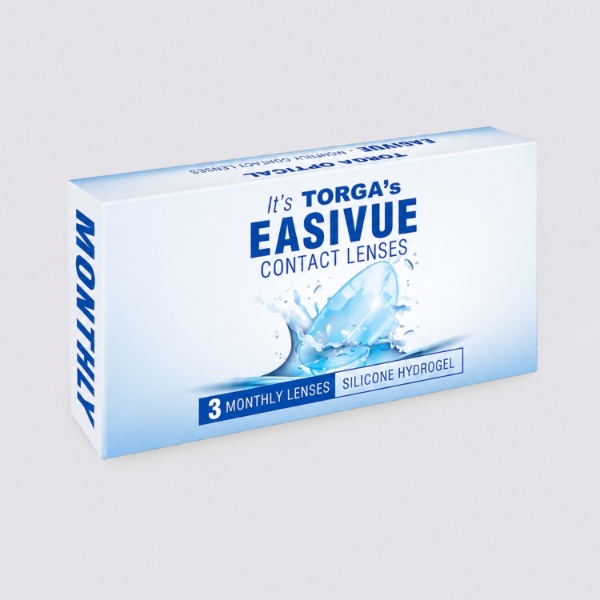
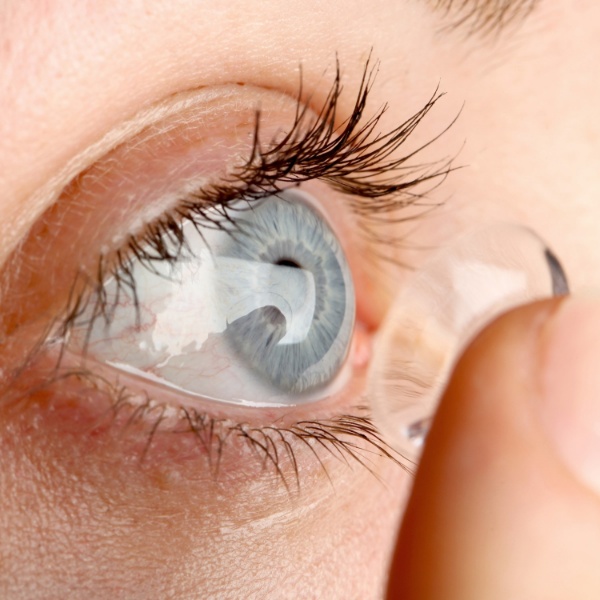
Yes. Contact lenses are medical devices, so they start with an eye test and a fitting. Wearers need a check of the cornea every six months and a full eye test every year. Keep a pair of glasses too, for when your eyes need a rest. About contact lenses.
Can I order contact lenses online?
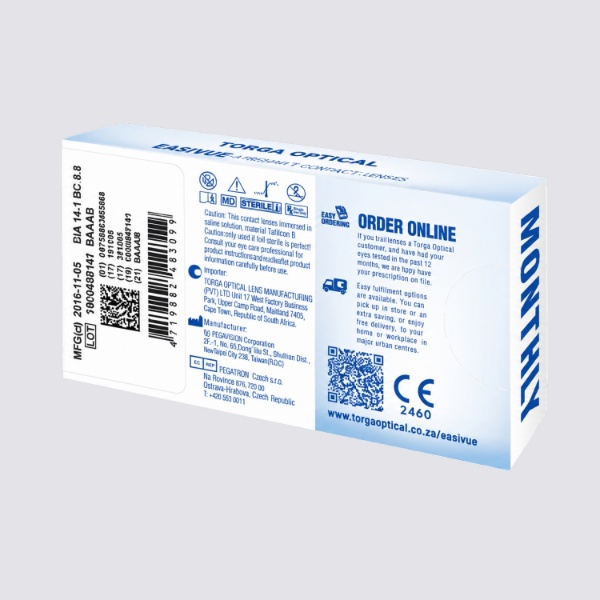
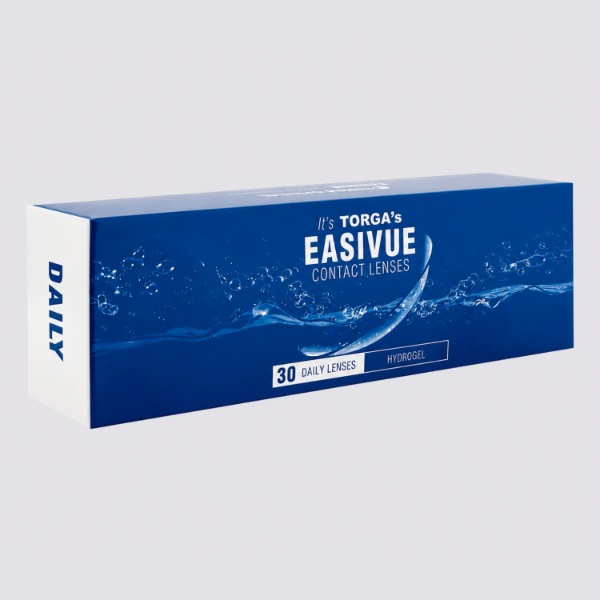
Yes, with a current prescription. Order or re-order on the website, then collect in store or have them delivered. The practice that holds your record checks your prescription and handles any medical aid claim. Shop contact lenses.
Still have a question?
Book an eye test and your optometrist will answer your questions about your eyes and your glasses.
Book an eye test