



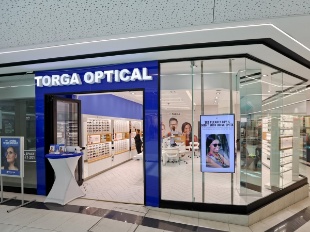
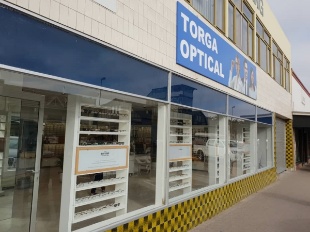
Made in our own lab
Lens technology
Your lenses are what you actually see through. At Torga they are made for your prescription, your frame and the way you spend your day.

Overview
More than just lenses
Your lenses do more than correct your vision. They are made around your prescription, your frame and your day, whether that is work, driving, sport or time at a screen.
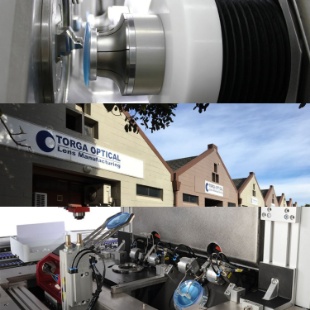
Made in our own lens lab
We make our lenses in our own laboratory in Cape Town, which has been running since 1998 on German precision technology. The surface of each lens is calculated for your prescription and cut by computer-controlled machines. This is called digital freeform.
That gives wider clear zones, smoother multifocals and thinner lenses than older moulded lenses. It is like going from a 3-megapixel photo to a 12-megapixel one.
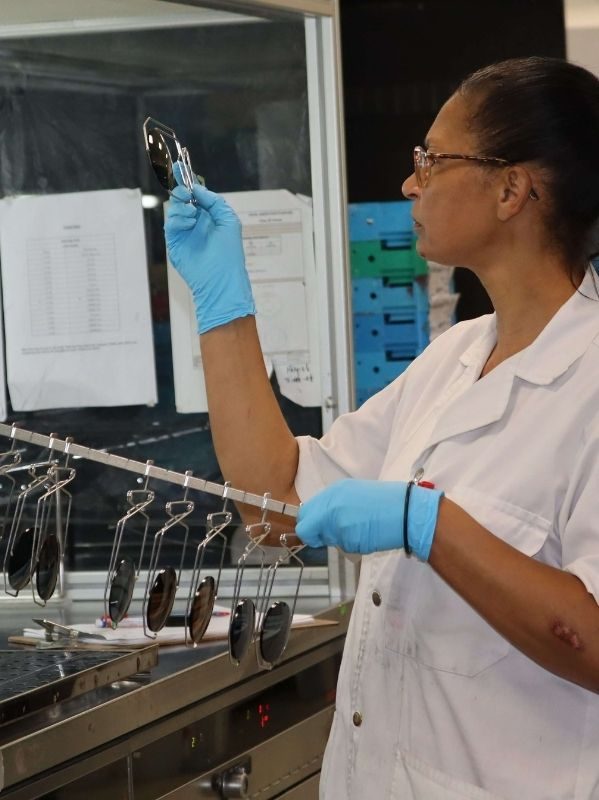
Cape Town
Single vision, bifocals and multifocals
Different vision needs, different lenses
Your eyes work at three distances: far away, at arm's length (a screen or a dashboard) and close up (a book or a phone). The lens that suits you depends on your prescription, your preferences and how you spend your day.
Single vision
One clear zone, for distance, for the screen or for reading. The usual choice for first glasses and for children.
Bifocals
Two zones: distance at the top and a reading segment at the bottom. Our Invisible Bifocal blends the segment in, so there is no visible line.
Multifocals
Clear vision far away, at arm's length and close up, with no visible lines. Also called progressive or varifocal lenses.
Good to know
Why one pair is not always enough
In a multifocal, making one zone bigger makes another smaller. That is why we offer several designs, and why many people choose a second pair for work or for driving.
See lenses for your dayLens materials
Thinner, lighter or stronger
Every frame package includes a standard 1.5 plastic lens. If you need lenses that are thinner, lighter or stronger, here are your options.
| Lens material | What it is good for | In a line |
|---|---|---|
| 1.53 Strong & Lite | Rimless and semi-rimless frames, sport, safety and children | Very strong and very light |
| 1.59 polycarbonate | Sport, safety and children | Highly impact resistant and thin |
| 1.6 Thin & Lite | Moderate prescriptions | Thinner and lighter |
| 1.67 Super Thin & Lite | Strong prescriptions | Extra thin and light |
| 1.74 Ultra Thin | The strongest prescriptions | The thinnest, flattest plastic lens |
Thinner is not always clearer, so we will recommend the thinnest lens that is right for your prescription and your frame. Glass lenses are available too.
Lenses for your visual day
Made for the moments that matter
Different parts of your day ask different things of your eyes. We make lenses for each of them.

At the screen
Office and computer lenses have big zones for the screen and the desk. Mild Add gives your eyes a gentle boost on laptops and phones.
On the road
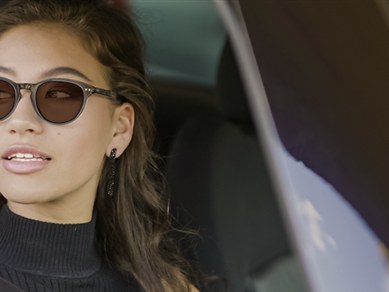
By day, polarised lenses cut glare. At night, anti-reflection cuts the reflections from headlights. The Vario lens gives a wide distance zone and room for the dashboard.
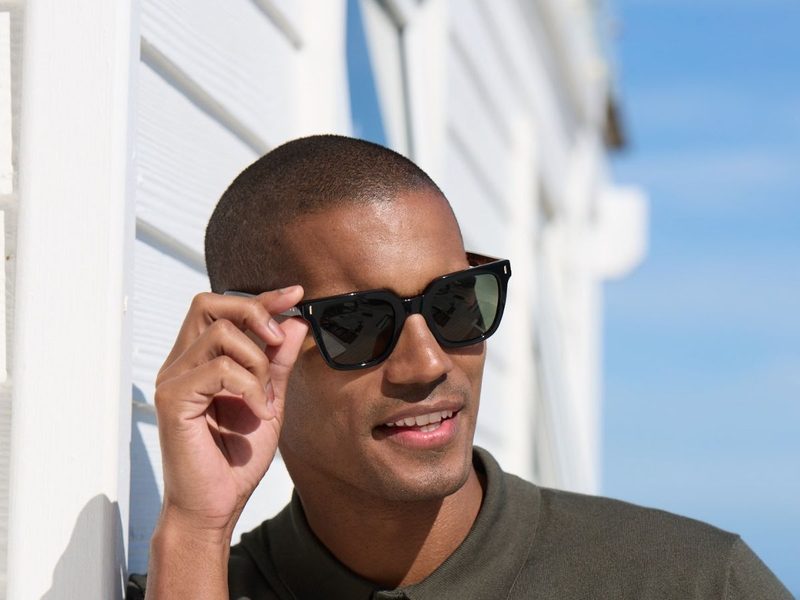
Outdoors, sport and sun
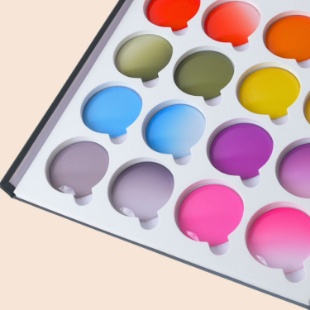
Tints and photochromic lenses take the brightness down. High-Curve lenses are made for wraparound sports frames.
Lens coatings
Little extras that make glasses easier to live with
Coatings keep your lenses clear and looking good.
Hard coat
On both surfaces of every lens, at no extra cost. Scratch-resistant, not scratch-proof.
Anti-reflection
Cancels most reflections: Clarity, Clarity Plus and Iridio.
Clarity Comfort
Anti-fog lenses that stay clear. Cleaned with their own cloth.
Blue light filter
More comfortable eyes at the screen, from UV420 or an anti-reflection coating.
Frequently asked questions
Your lens questions, answered
Which lens material is right for me?
It depends on your prescription, your frame and what you will use your glasses for. Thinner is not always clearer, so we recommend the thinnest lens that is right for you. Your optometrist or eyewear consultant will talk you through it.
What is the difference between single vision, bifocals and multifocals?
Single vision lenses have one zone, for distance, the screen or reading. Bifocals have two: distance at the top and reading at the bottom. Multifocals correct far away, at arm's length and close up in one lens, with no visible lines.
Can I have lenses for the screen, and a blue light filter?
Yes. Office and computer lenses have big zones for the screen and the desk, and blue light filters make your eyes more comfortable at the screen. Ask your optometrist at your eye test.
What if my prescription is unusual?
Our lab can usually make a plan. Please ask in store.
Are my lenses scratch-proof?
No lens is. Every Torga lens has a scratch-resistant hard coat on both surfaces at no extra cost, and caring for your glasses the right way keeps them looking new for longer. Read our Glasses Care Guide.